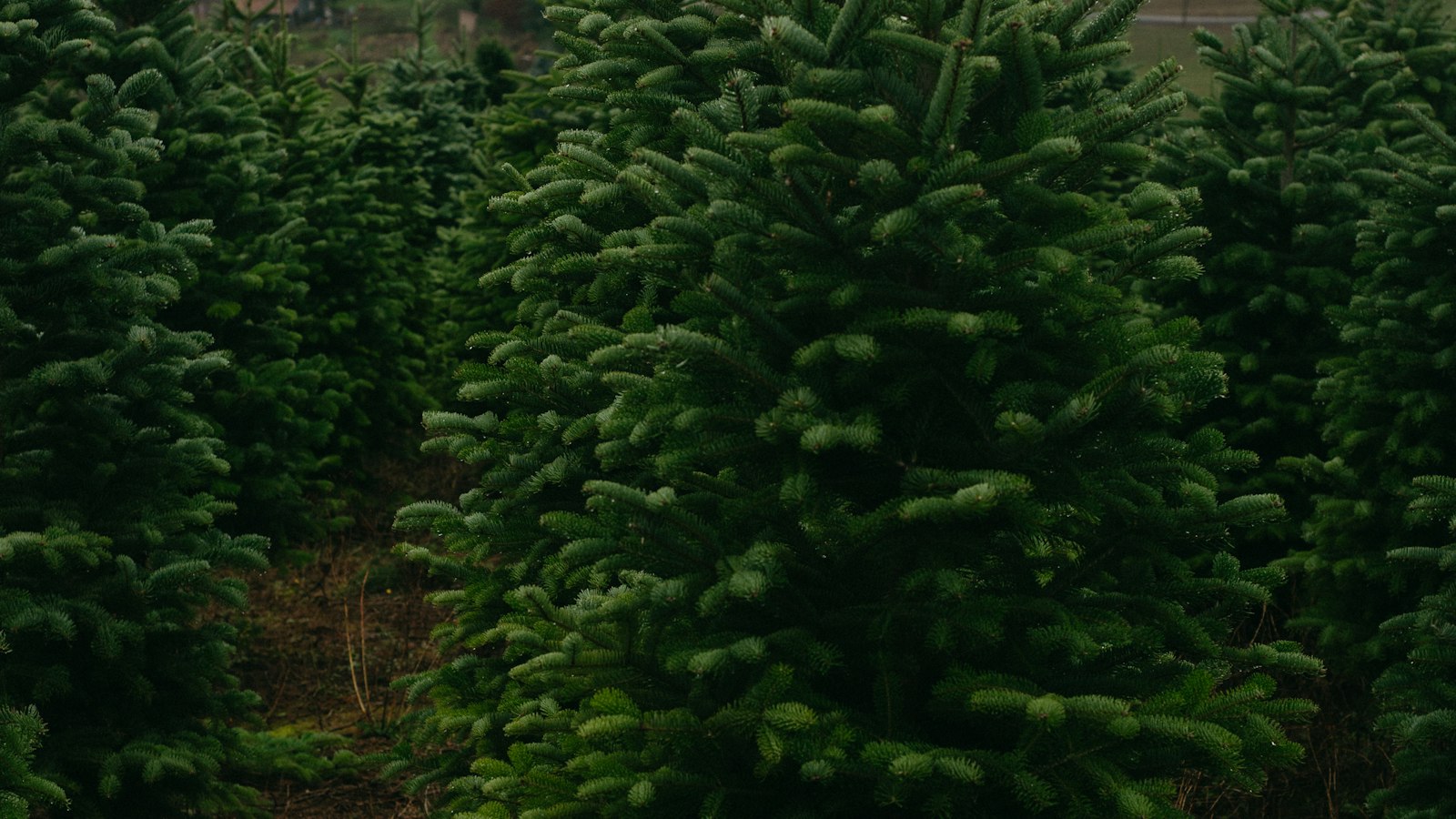
A real tree fills the house with the smell of pine and makes December feel like Christmas. Picking a good one comes down to five things: the type of tree, the size of your room, how fresh it is, when you buy it and how you look after it once it is home.
This guide answers the questions Sydney shoppers ask before they buy, from which tree copes with summer heat to what to do with it in January.
Fresh cut Christmas trees are real conifers grown on a farm, cut at the base and sold without roots. Once home, the tree lives on water in a stand for the rest of the season.
There are three ways to bring a tree inside for December:
For scent, look and the ritual of choosing a tree each year, a fresh cut tree is the one most families picture when they think of Christmas.
In Sydney, the choice comes down to two trees: Monterey pine (also called radiata pine) and Douglas fir. Pine gives a strong scent and a full shape. Douglas fir has softer needles and sturdier branches for ornaments.
Most real trees sold in Australia are radiata pine, grown on farmland and replanted after each harvest. Douglas fir is far less common here, which is why it sells out fast.
This is the traditional Australian Christmas tree, the one many of us grew up with.
Douglas fir is the classic tree of North American and European Christmases, and it is rare in Australia because local forestry has focused on pine.
If you want this look, Lush Flower Co stocks Douglas fir trees, cut fresh for the season.
Measure your ceiling and subtract about 30 cm for the stand and the tree topper. A standard 2.4 m ceiling suits a tree of about 2.1 m, or 7 ft.
Christmas trees in Australia are still sold in feet. Here is how the common sizes convert:
Height is half the measurement. Before you buy, also check:
A 4 to 5 ft tree suits most apartments and small living rooms. It fits through a lift, sits on a small floor space and still gives you room for presents underneath.
A fresh tree has deep green, bendy needles that stay on the branch when you run your hand along it, and a cut base that feels sticky with sap. Run through this check before you pay:
You can, but look at how the trees are stored. Trees left in full sun on a hot footpath lose moisture fast. If you see Christmas trees for sale stacked in the sun with no water or shade, keep walking.
Buy your tree in late November or the first week of December. A well-watered tree lasts around four to five weeks, which carries it through Christmas Day and into Boxing Day.
Farms, lots and florists start to list Christmas trees for sale from mid to late November, and popular sizes can sell out before mid December. Ordering early secures the height and species you want.
Heat is the main threat to a Christmas tree Sydney families bring home in December. A hot week, a sunny window or an air conditioner pointed at the branches can take a week or more off its life. If you buy at the start of the season, plan to keep the tree cool and well watered from day one.
Prices can drop in the last days before Christmas, but the choice is thin by then and those trees have often been cut for weeks. If you want a full, fresh tree that lasts, buying early is worth it.
With a fresh cut on arrival and a stand that never runs dry, a real tree lasts around four to five weeks indoors.
Four things decide how long yours lasts:
Signs your tree is drying out: needles that feel brittle or fall when touched, drooping branches and a scent that has faded.
Trim about 2 cm off the base, stand the tree in water within a few hours and keep it away from heat. Follow these steps:
Yes. A bucket of sand or rocks holds little water and dries out fast. A proper stand has a water reservoir, screws or clamps to hold the trunk upright and a wide base so the tree will not tip.
A fresh tree can drink several litres in the first few days, so check the stand every morning and keep the water above the base of the trunk at all times.
If the water drops below the cut, sap seals the trunk and the tree stops drinking, even after you top it up. Keeping the stand full is the habit that keeps a Christmas tree fresh until Boxing Day.
The base has sealed over with sap. Lift the tree out, cut another 2 cm off the trunk and stand it back in water straight away. Some growers suggest a fresh cut every five to seven days to keep water moving.
It is also normal for a tree to drink a lot in the first week and less after that.
No. Plain tap water is all the tree needs. There is little evidence that additives help, and some can make the water harmful to pets that drink from the stand.
Yes, with a few precautions.
Some people react to sap, pollen or mould on a tree. Give the tree a firm shake outside before you bring it in, and wear gloves when you handle the trunk.
For most Australian households, a real tree is the lower-impact choice.
Remove every decoration, then put the tree out for your council’s Christmas tree collection, cut it up for your green waste bin, or mulch it.
Do not burn the tree in a fireplace. The dry needles and sap flare up fast.
Choosing a tree is part of the fun of Christmas. Pick the species that suits your home, measure your space, check for freshness and give it water every day, and your tree will look good well past Christmas morning.
Lush Flower Co is a family-owned Sydney florist, and we choose our trees with the same care we put into our flowers. When you are ready, order your Christmas tree from Lush Flower Co and have it delivered to your door, ready for decorating.
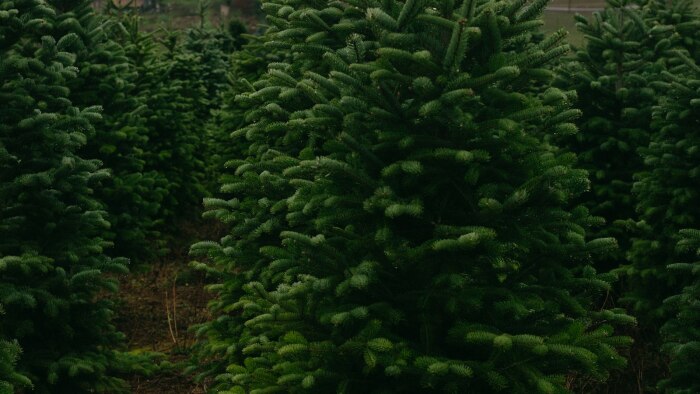
Choose a fresh cut Christmas tree with green, bendy needles, a sticky sap base and few dropped needles, sized 30 cm below your ceiling and bought in early December.
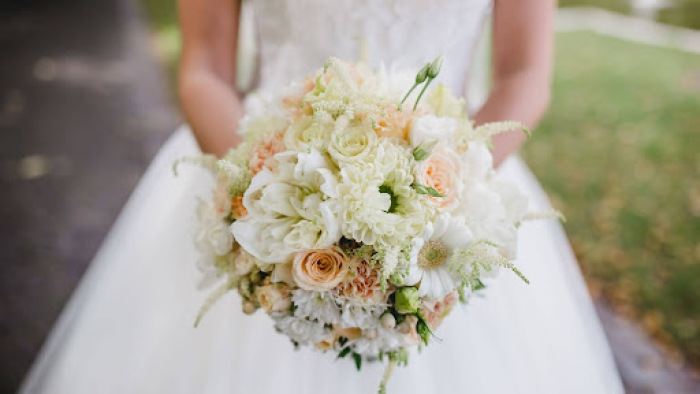
Wedding flowers bring together seasonal winter blooms, venue styling and bouquet design to create a cohesive look for ceremonies and receptions.
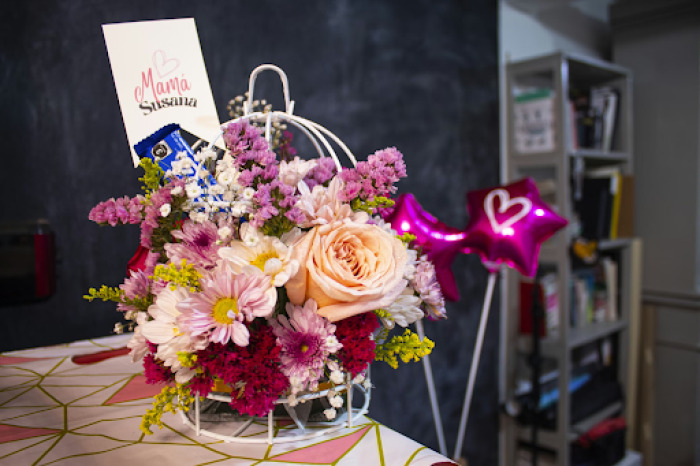
Skip chrysanthemums with roses, natives, or orchids matched to Mum's style, and order early in Sydney to secure fresh designs and reliable delivery.
You will find fresh Christmas trees Sydney wide at farms on the city’s fringe, pop-up lots, nurseries and florists that deliver. Wherever you buy, ask when the tree was cut and how it has been stored.
The price of a Christmas tree Sydney retailers sell depends on its height and species. Douglas fir costs more than pine because far fewer are grown in Australia. Check whether delivery and a stand are included in the price.
For many homes, yes. Delivery means no tree strapped to the roof racks, no sap on the car seats and no wind burn on the needles. It also saves carrying a 2 m tree up stairs or into a lift.
Yes, if the spot is shaded and out of strong wind. Outdoor heat dries a tree faster, so check the water twice a day on hot days.
Now and then a small insect hitches a ride. A firm shake outside before you bring the tree in removes most of them.
No. A cut tree has no roots and cannot grow again. If you want a tree to plant out after the season, buy a potted tree and check how big it will grow first.
A well-watered tree is hard to set alight. A dry tree burns fast. Keep the stand full, use LED lights, switch them off overnight and keep the tree away from heaters and candles.
